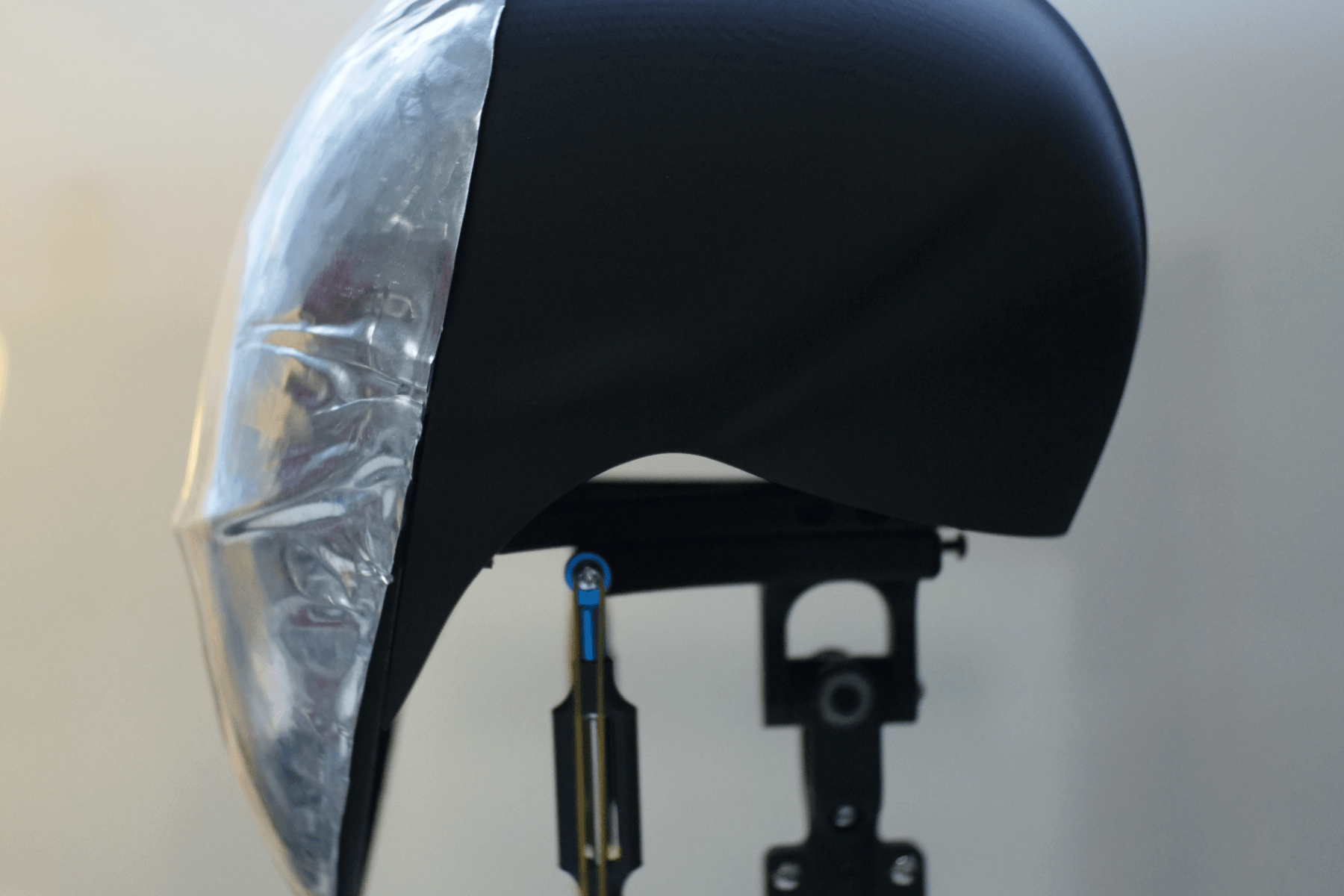
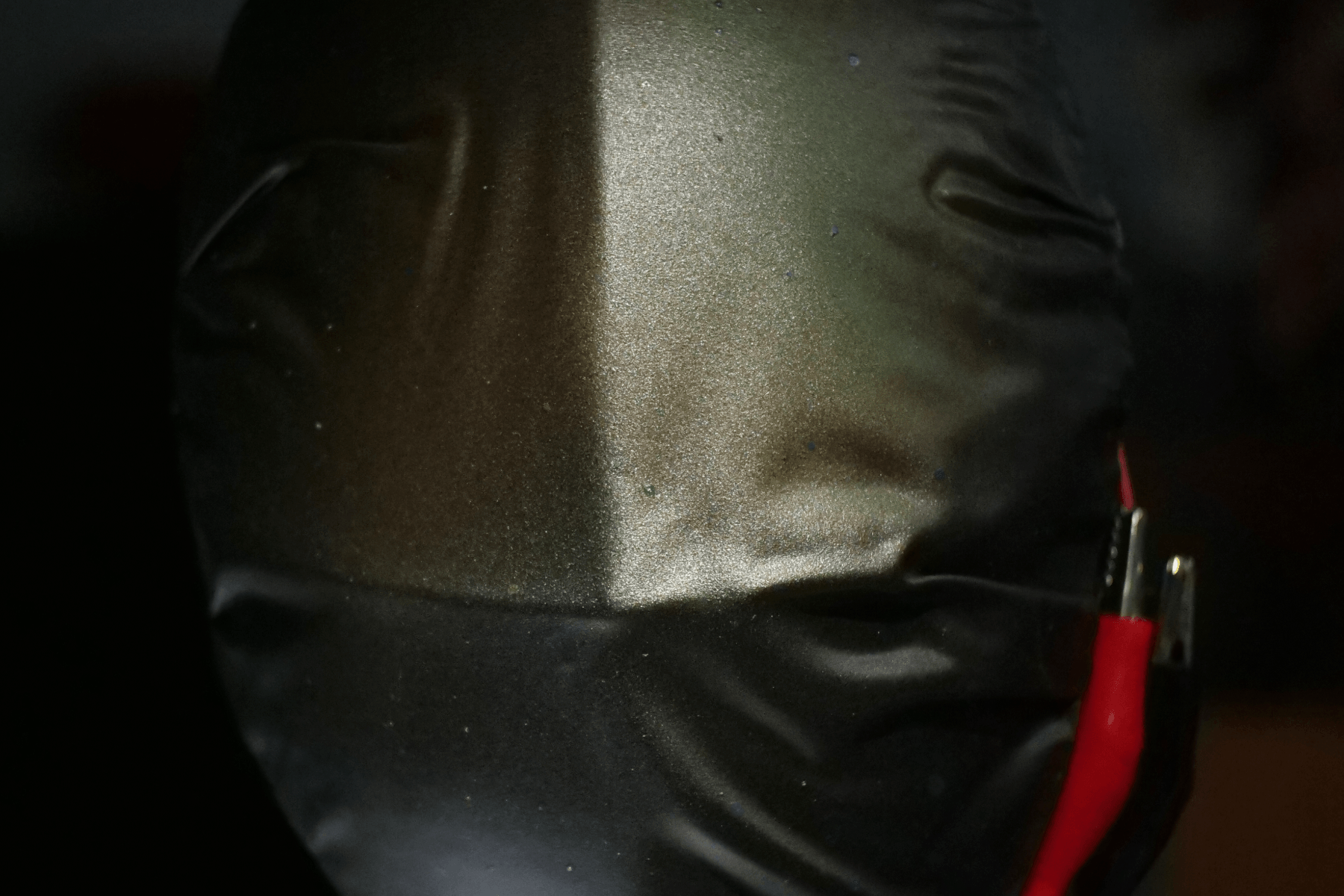
Communicates through coloured patterns produced by heat. Information is encoded by intensity, pattern and movement.
Inspired by projective psychology and color changing animals.
Engineered through a combination of sprayed liquid crystals, stamped aluminium, and Peltier modules.
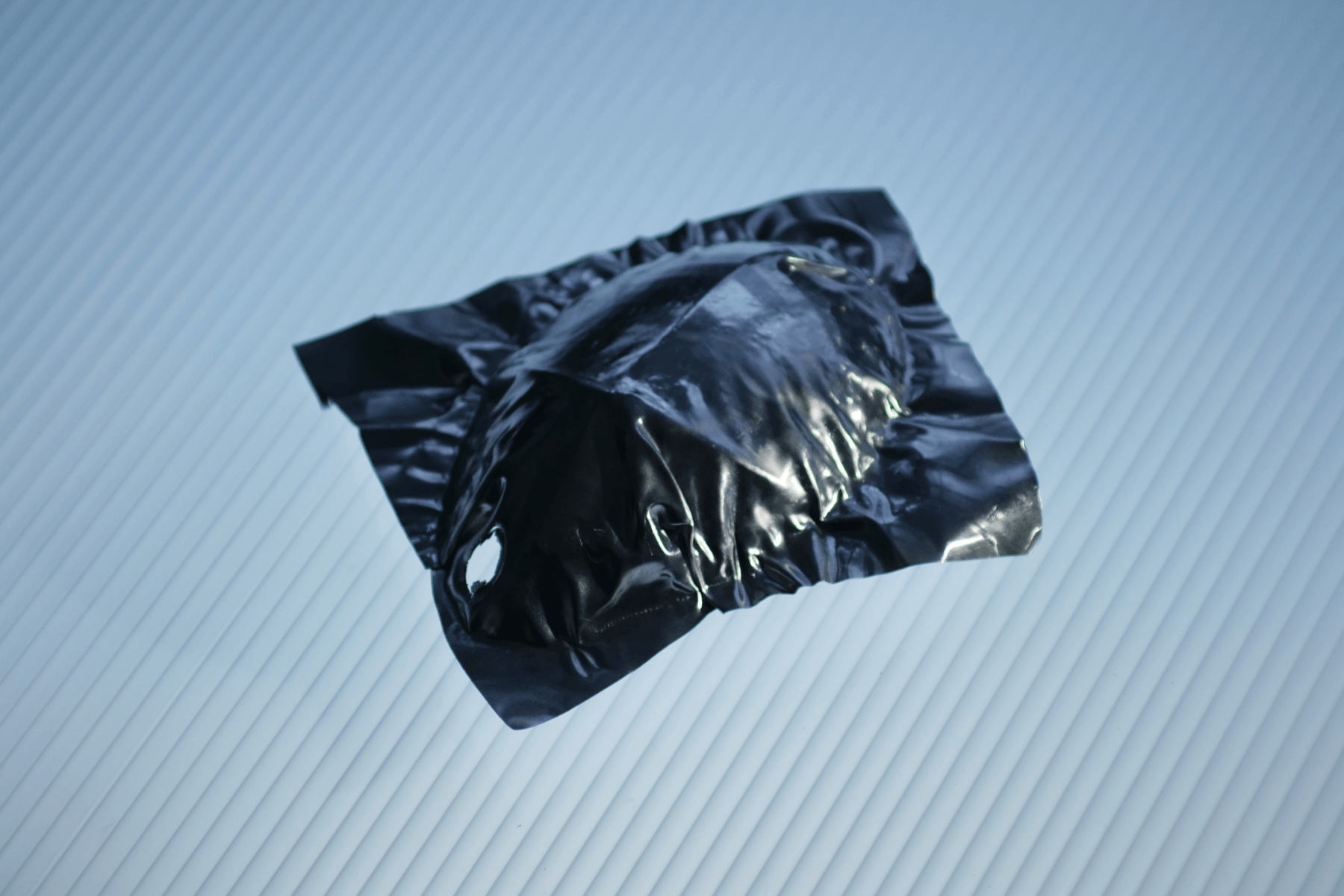
Communicates through liquid circulation in its structure. Information is encoded by speed, direction and pattern.
Inspired by microfluidic, soft robotic and sea life.
Driven by a combination of silicone tubing, peristaltic pumps, and a parametrically-designed structure.
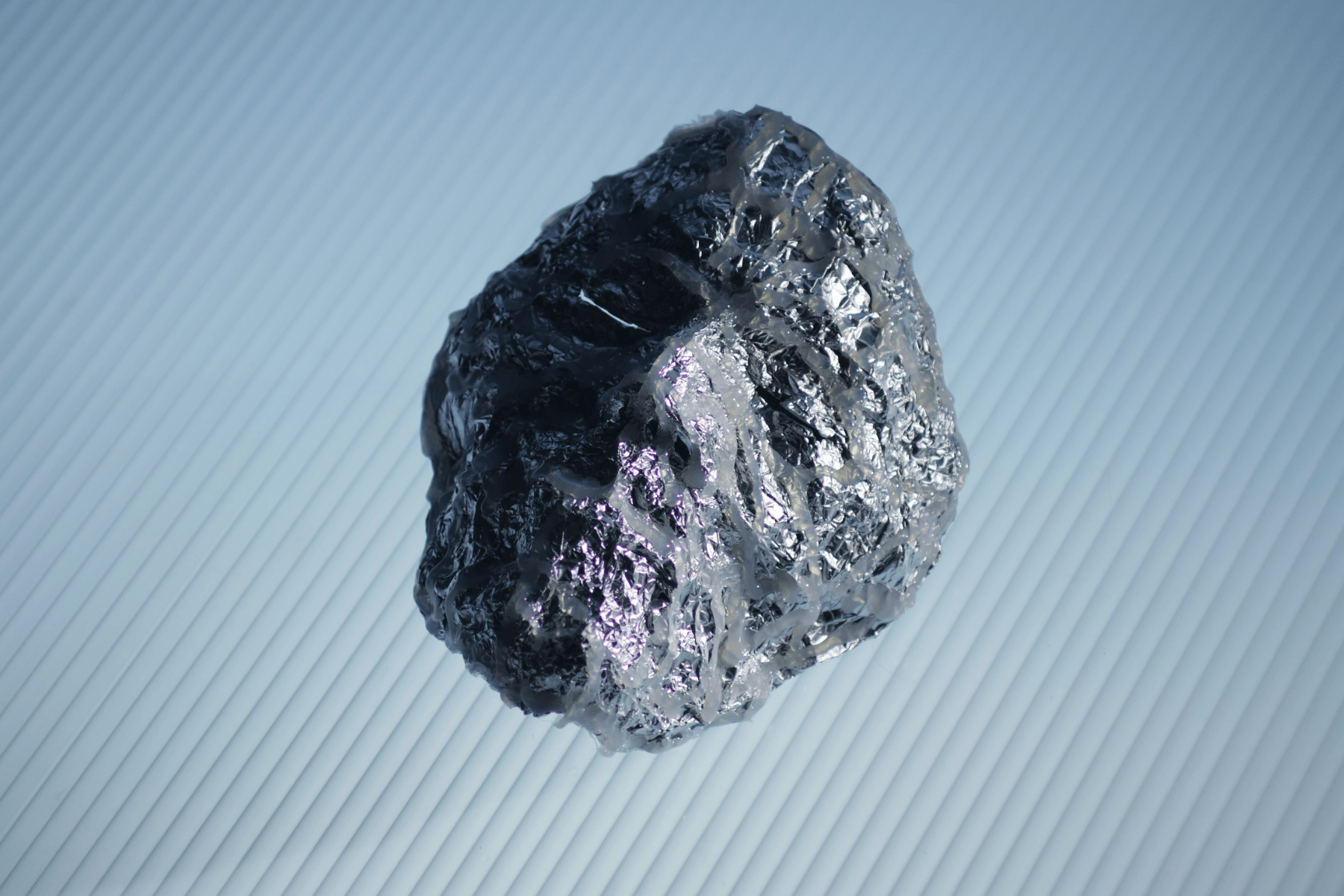
Communicates through the movement of its wings. Information is encoded by speed, amplitude and frequency.
Inspired by birds, auxetic geometries and insects.
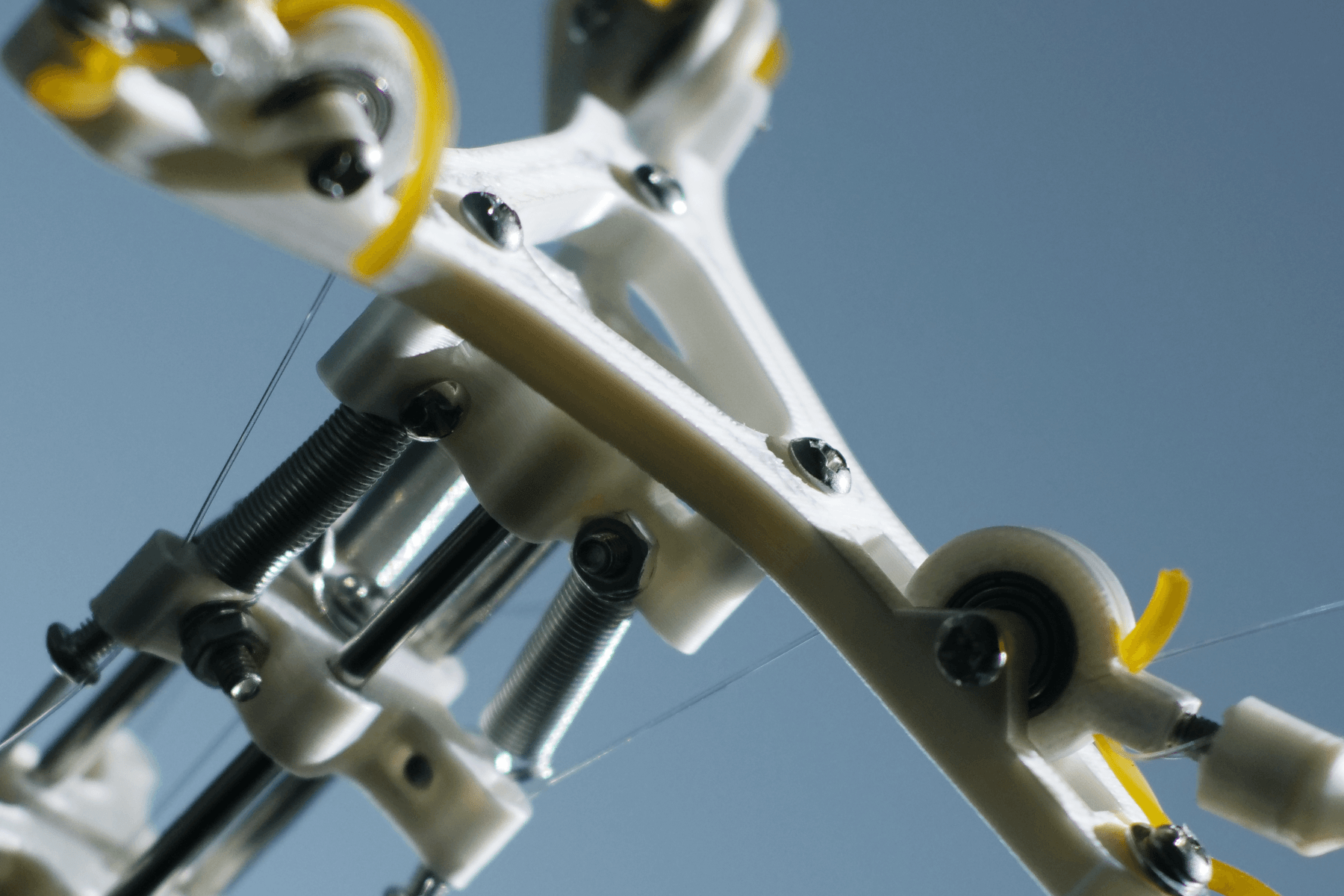
Actuated by Nitinol shape-memory alloy wires, integrated within low-friction Teflon tubing and a custom 3D-printed mechanism.
A common body for all three faces, developed as a versatile platform to support macro-movements and animate the specimens.
Designed in CAD through multiple iterations, exploring up to 5 DoF, to reach this compact, affordable, and soon-to-be open-source module.
A mobile-based face tracking algorithm controls orientation in real-time. The neck follows your gaze, mirrors your movements, or purposefully looks away depending on the current expression state.
Rather than designing one specific robot face, I built an ideation system to support diversity, and try to move beyond our preconceptions about robots.
Each specimen is defined by a set of 4 parameters : structure, surface, actuation system and identity, offering 8 variations each. Combinations produce families, variations produce individuals.
To map this evolution, every specimen is archived within a digital phylogenetic tree.
Attributing human emotions to a machine felt too simplistic. Instead, I developed an expression engine where internal states, such as battery level or task completion, influence six core traits: speed, amplitude, frequency, stability, pattern, and color.
These traits drive the 'Dynamogramme', a live reaction-diffusion simulation that acts as an emotional fingerprint, and directly modulate the robot's behaviors.
This six-dimensional space of possible expressions can be manually mapped within a 2D blend space (Valence/Arousal) or autonomously driven by AI in 'contact mode', translating digital states into tangible physical dynamics.
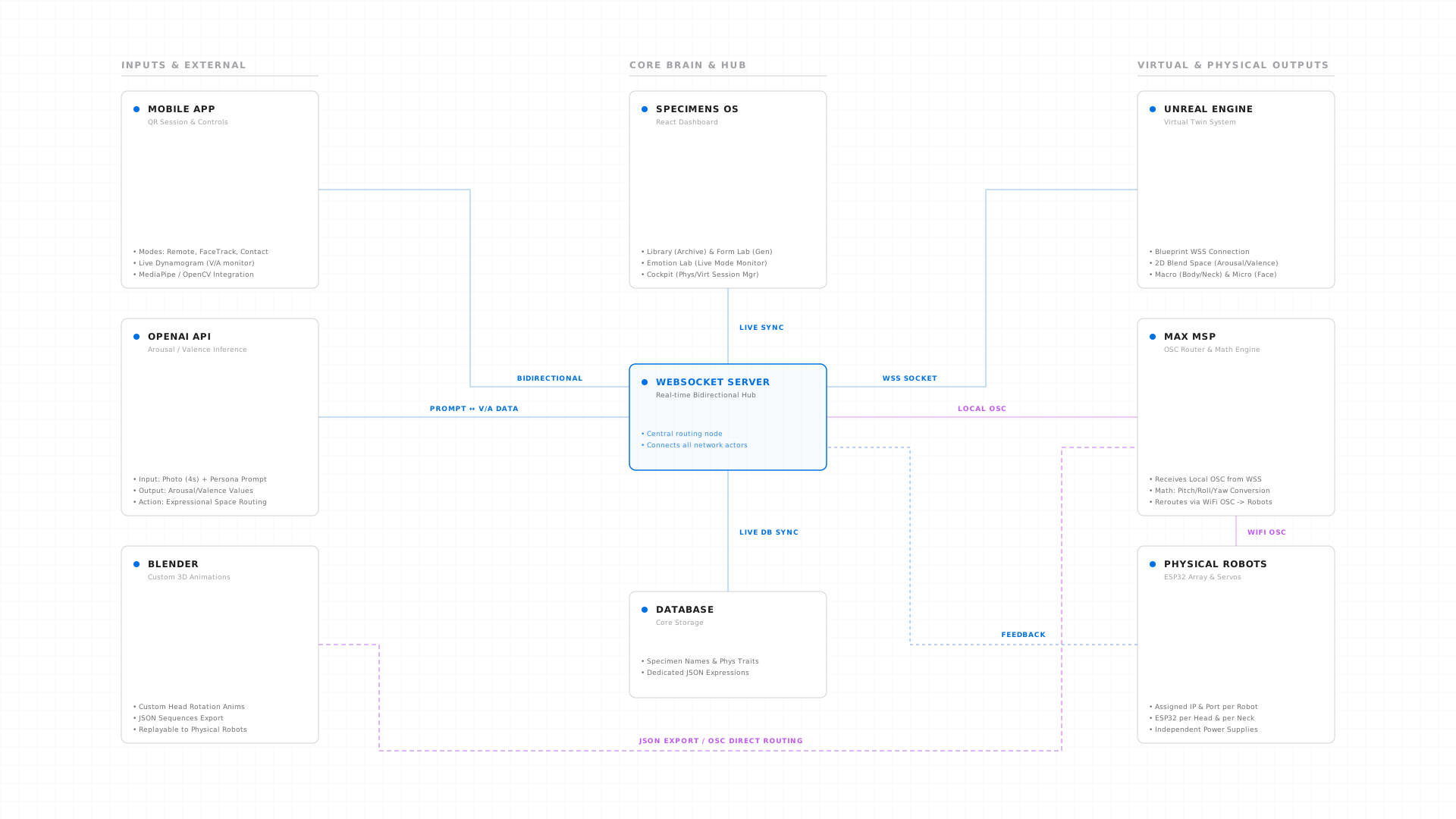
Developed as a modular backbone, this architecture covers diverse contexts, from laboratory prototyping to open exhibitions and public interaction. It provides a unified framework to handle real-time data and expressive mapping across both physical and virtual specimens. The WebSocket server acts as a bridge between all system components, enabling features like long-distance teleoperation.
Current robotic faces oscillate between two failures: emotionally flat screens that lack physical presence, and hyper-realistic animatronics that trigger the uncanny valley.
Humanoid robots are a unique category of machines, and given its central role in human interaction, I believe ignoring the face would be a major mistake.
This project explores how to move beyond void or imitation, and design tangible interfaces to enable a new expressive language for machines.
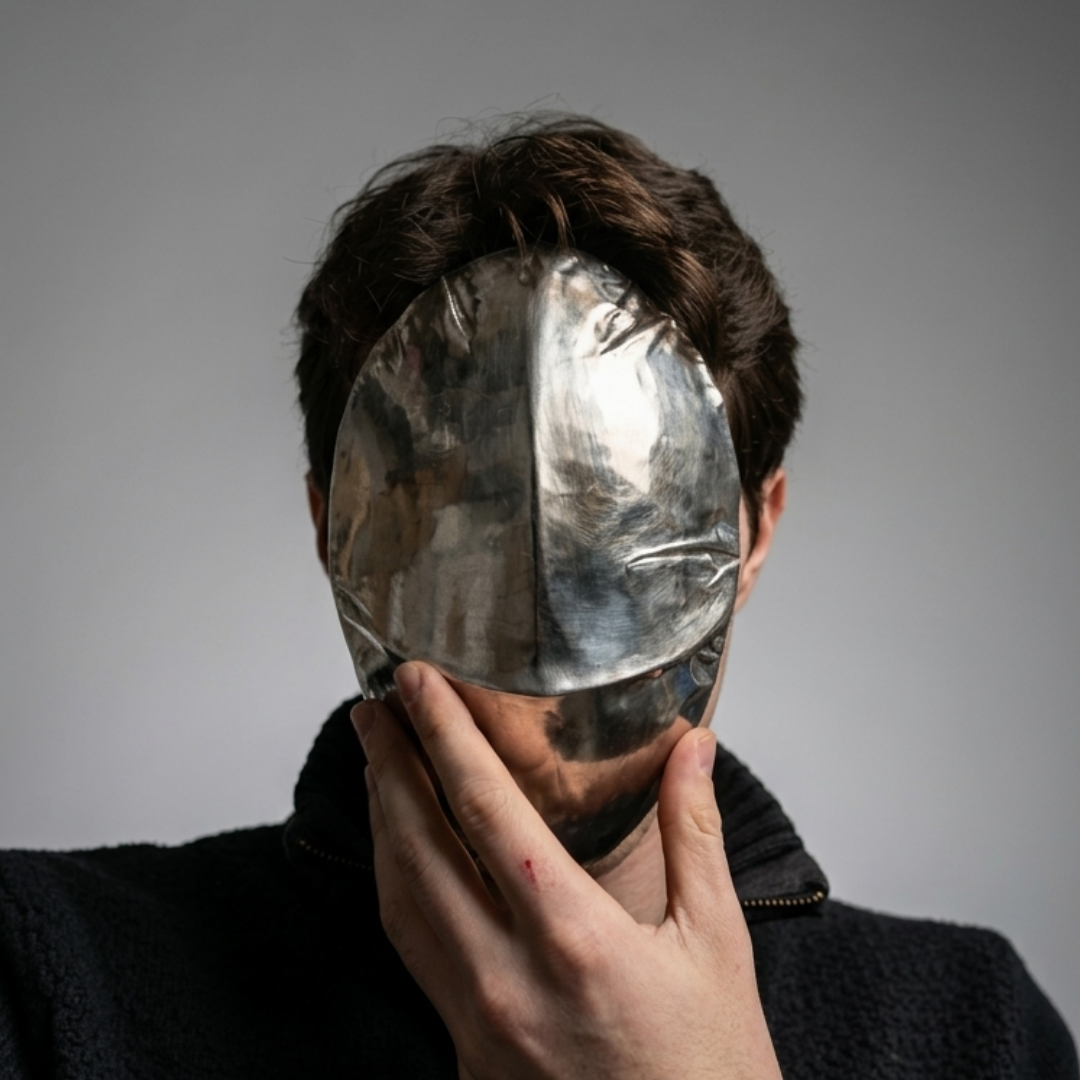
A face is a social interface and a psychological anchor, that we are wired to read before we can even speak.
To explore its limits, I curated an iconographic collection across art and history, cross-referencing Ekman’s rational coding systems with the instinctive mechanics of pareidolia.
This research led me to understand that, more than a shape, the face is a system of signals and subjective projection.
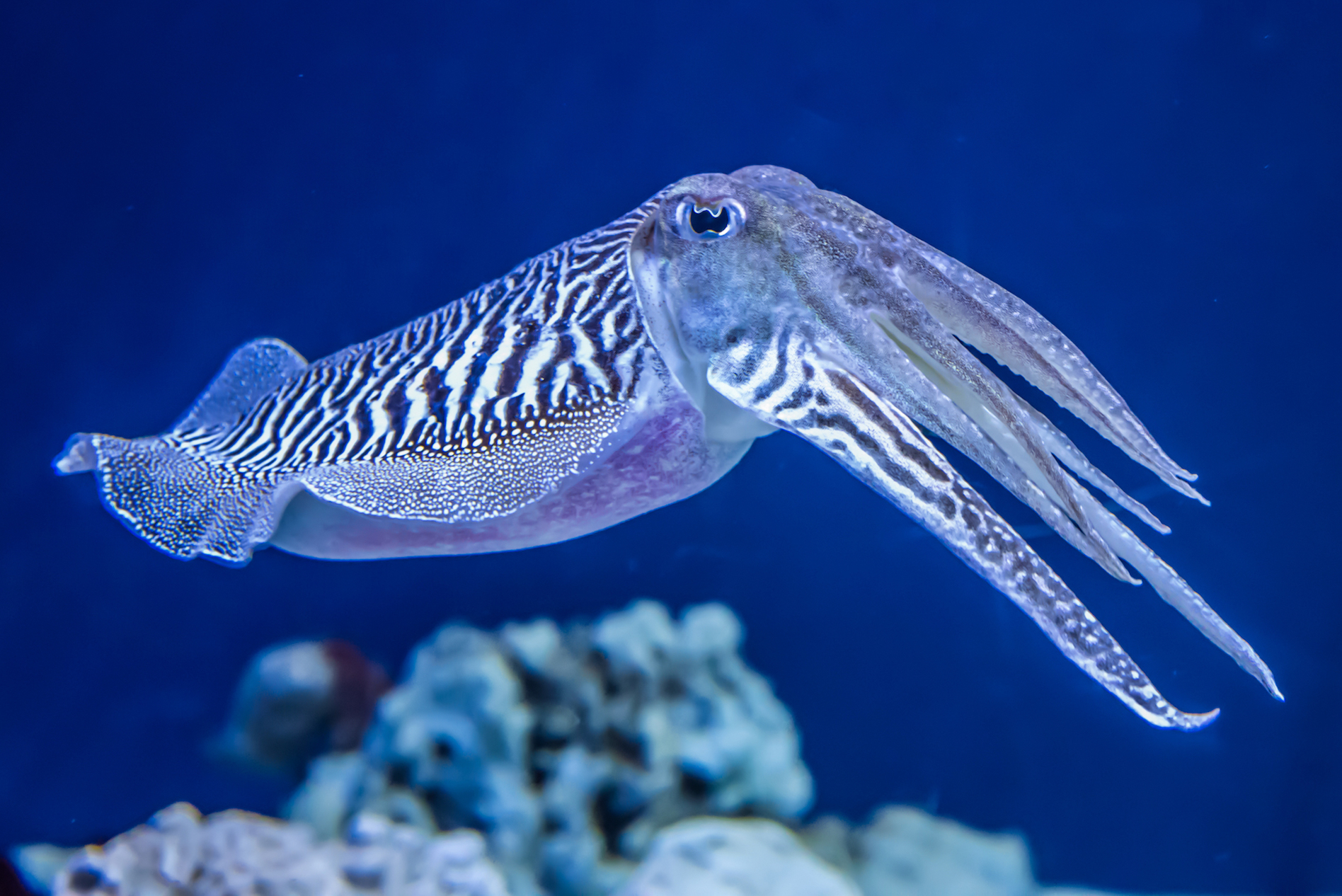
Nature designs communication systems that are perfectly tuned to the body's own materiality, from the rapid chromatic shifts of cephalopods to the structural vibrations of insects.
By categorizing these signals into families, I translated biological principles into a specific taxonomy for robotic expression, using smart materials to emulate an organic presence.
This approach treats the current AI era as a Cambrian explosion: an opportunity to move beyond screens and embrace a new diversity of robotic species defined by their own physical signals.
From initial sketching to crude cardboard models, experimental 3D printing, electroplating trials, ruthless vibe coding, DIY metal stamping, SLA printing, Geometry Nodes mazes, Nitinol nightmares, Peltier mastering, CAD simulation, failed network connections, blueprint spaghettis, liquid crystal airbrushing, electronics soldering and much more.






Specimens is a 7-month diploma project developed at ENSCI - Les Ateliers, under the mentorship of Matt Sindall, and publicly defended in Paris in January 2026.
In response to the rapid acceleration of AI and robotics, I chose to focus on the "head", a crucial yet often forgotten element in the current industry.
From psychology research to material engineering to real-time software, I designed and built every layer of this project from the ground up. It solidified my conviction that design is essential to robotics, building bridges between aesthetics, usability, and critical thinking.
These are only the first specimens of an evolving collection. I am now seeking collaborations and opportunities to push this vision further and contribute to the ongoing debate on robotics.
Big thanks to all those who shared their advice and support throughout this journey !